A nuts and bolts discussion of the economics of raising your own table birds for meat. I suppose you could say we’re putting down the costs of raising healthier birds that have enjoyed a decent life – and a better end.
Economics of Raising Table Chickens
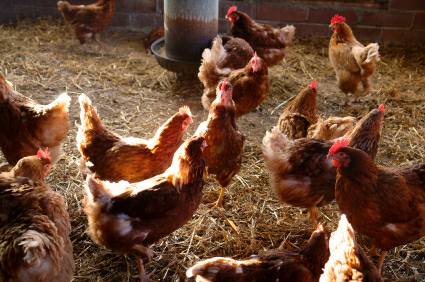
Flock of Table Birds
Costs of Raising Table Birds
The cost of raising your own birds depends on a number of factors. You will need the basic equipment of an incubator (or broody hen), heat lamps, a coop and run and feeders and drinkers. This assessment assumes you already have the equipment and is based on cost of chicks and feed alone. We compare broiler and dual-purpose breeds raised on a free-range basis.
The first cost comes from whether you choose to hatch your own eggs or whether you purchase day old birds.
If you hatch your own 6 hatching eggs will cost on average £6 for a broiler breed or between £10-18 (so lets say £14) for dual-purpose breeds (based on Light Sussex).
If you hatch you may only get 4 of those eggs hatching successfully which gives you an average cost of £1.50 for the broiler chick and £3.50 for the dual-purpose chick if using a broody hen to carry out the hatch for you (you also need to remember that 50% of your dual-purpose are likely to be hens for you laying flock which is why they cost more to buy).
When using an incubator and a heat lamp you will need to add another £0.25 per chick in running costs. If buying day old chicks you will be looking at 4 broiler chicks costing and average of £1.65 each and 4 dual-purpose breeds costing and average of £3.50 per chick.
| Bird Type | Day Old Hatch | Day Old Buy | Using Heat Cost |
|---|---|---|---|
| Broiler Breed | £1.50 | £1.65 | £0.25 |
| Dual-Purpose | £3.50 | £3.50 | £0.25 |
As you can see the initial cost for a dual-purpose chick (based on Light Sussex) is more than double than a broiler. However, if you are also raising hens this is a good investment, as an 18-week old POL Light Sussex hen would cost you an average £16 to purchase and probably 50% of the hatch will be female.
Cost Of Feeding the Chickens
The next cost is the cost of feed for the growing chicks. Lets say an average 20kg (44lbs) bag of feed costs £6.50 on a non-organic method. A fast-growing, modern-breed broiler chick will eat:
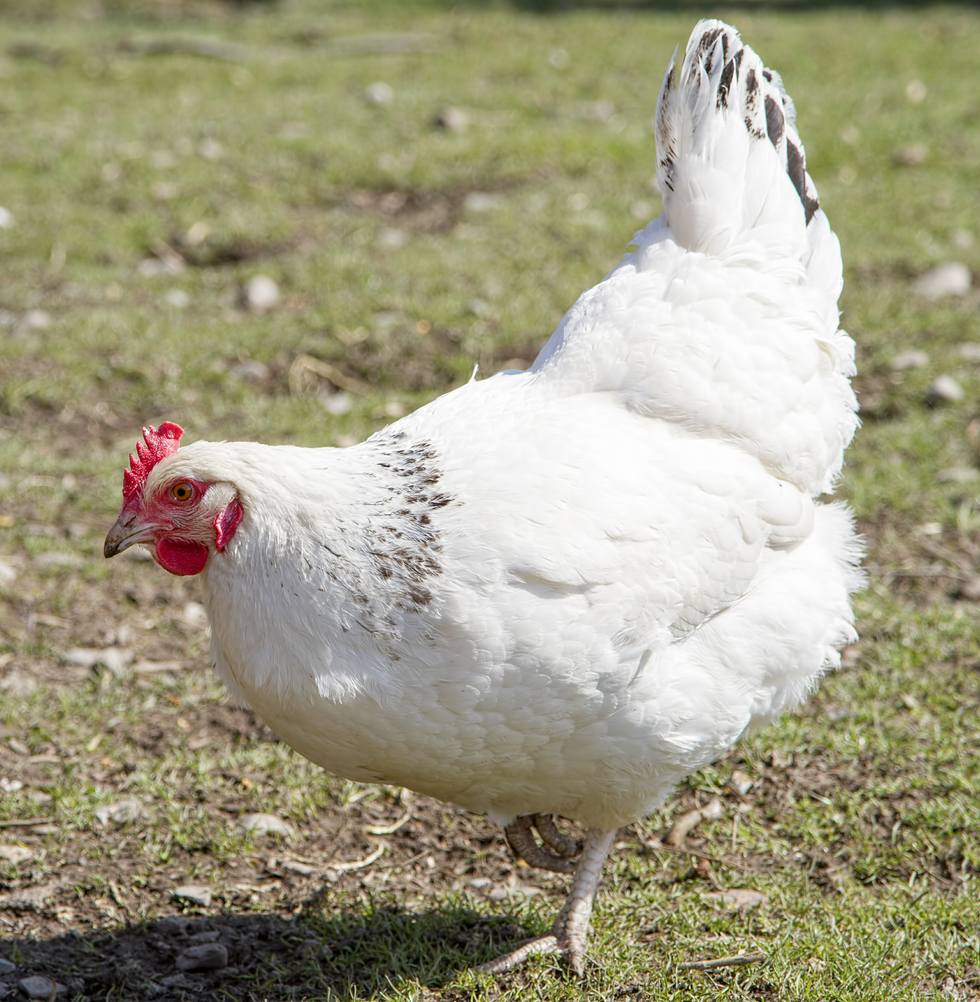
Sussex Dual Purpose Meat Laying Breed
| Age in Weeks |
FEED CONSUMPTION (lbs) | |
| Weekly | Cumulative | |
| 1 | 0.30 | 0.30 |
| 2 | 0.73 | 1.02 |
| 3 | 1.15 | 2.17 |
| 4 | 1.60 | 3.78 |
| 5 | 2.10 | 5.87 |
| 6 | 2.58 | 8.45 |
| 7 | 3.13 | 11.58 |
| 8 | 3.42 | 15.00 |
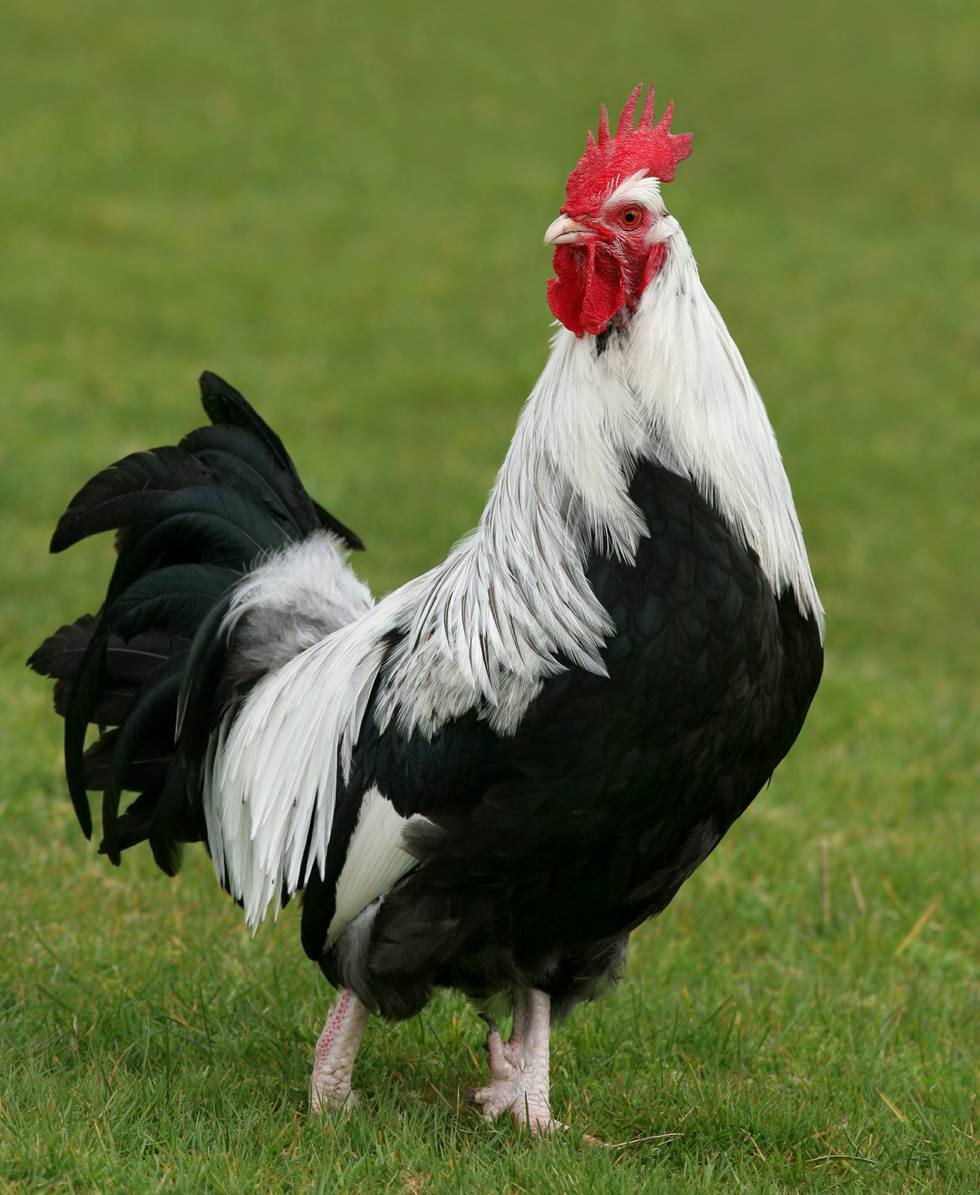
Silver Dorking Cockerel – Almost too handsome for the pot.
| Age in Weeks | FEED CONSUMPTION (lbs) | ||
| Weekly | Cumulative | ||
| 1 | .20 | .20 | |
| 2 | .60 | .80 | |
| 3 | .90 | 1.70 | |
| 4 | 1.20 | 2.90 | |
| 5 | 1.20 | 4.10 | |
| 6 | 1.20 | 5.30 | |
| 7 | 1.50 | 6.80 | |
| 8 | 1.50 | 8.30 | |
| 9 | 1.50 | 9.80 | |
| 10 | 1.50 | 11.30 | |
| 11 | 1.50 | 12.80 | |
| 12 | 1.50 | 14.30 | |
| 13 | 1.50 | 15.80 | |
| 14 | 1.50 | 17.30 | |
| 15 | 1.50 | 18.80 | |
| 16 | 1.50 | 20.30 | |
| 17 | 1.50 | 20.80 | |
| 18 | 1.50 | 22.3 | |
That means that each dual-purpose chick will cost £3.30 to feed to weight for culling.Therefore, the average cost per fast broiler chick being home-reared using heat in terms of initial chick cost and feed is £3.95 if hatched by you. The average cost of the dual-purpose chick is £7.05.
Compare this to the average cost of a shop or butchers bought free-range chicken weighing 2 kilos at £8.00 and you see that the broiler saves you nearly 50% and the dual-purpose still gives you a saving of £1.00 per bird! Add to that the satisfaction of knowing where your meat came from and it makes for a very special chicken dinner.
Raising Table Birds
Keeping Chickens for Meat - Costs & Returns - The Economics
Keeping Chickens for Meat, Table Birds Best Chicken Breeds
Keeping Chickens for Meat - Raising & Feeding Table Birds
More Articles on Keeping Chickens
- 7 Important Things You Need To Take Care Of Chickens
- Chickens Illness & Problems
- Low Cost Hens – Finding Cheap Hens and Housing for them
- Starting Keeping Hens – A Basic Guide
- Chickens in Winter – The Garden
- Back Garden Chicken Keeping – Hens at Home in the Garden
- Low Cost Hens – Feeding Frugally
- Low Cost Chicken Coops – Budget Hen Houses
- Keeping Chickens on a Budget – Getting & Housing Your Hens
- Keeping Chickens on a Budget – Feeding, Watering & Protecting Your Hens
- Keeping Chickens Warm in Winter
- What to Feed Chickens in Winter
- Incubating Chickens & Ducks
- Keeping Chickens for Meat – Costs & Returns – The Economics
- Incubating Chickens & Ducks, Hatching, Sexing & Rearing
- Keeping Chickens for Meat, Table Birds Best Chicken Breeds
- Keeping Chickens for Meat – Raising & Feeding Table Birds