There have been dramatic improvements in the efficiency of washing machines and tumble dryers over just the last 15 years. This improvement isn’t limited to the expensive, premium brands – even the cheap end washing machines use less water and electricity.
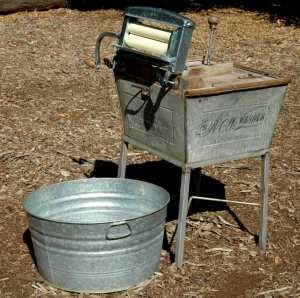
Newer Washing Machines tend to be more Efficient than older models!
They give improved results at lower temperatures and take larger loads. This means you can get away with less loads, saving even more energy. They also have faster spin speeds available which means the washing comes out dryer saving energy if you have to use a tumble dryer.
Tumble dryers have improved as well but not so much at the low priced end. Give them time and the prices will fall.
With all appliances shop around – cosmetic seconds are machines with a small dent or scratch, often on a side that won’t be seen, that are reduced greatly. Google is great for searching out suppliers.
Once you choose a model or narrow it down, pop the make and model into google and it may just bring up a bargain. Check Ebay as well.
Reduce Your Costs & Be Greener As Well
If you are buying a new washing machine or tumble dryer, look for the rating. All washing machines and tumble dryers have energy ratings from A to G. This covers not only energy savings, but performance, water consumption and drying efficiency as well.
Buying a New Washing Machine
Go for as good an energy rating as you can afford.
Make sure you can control the temperature and have a half-load option. Using a washing machine on 40 degrees rather than 60 degrees will reduce energy use by up to a third. 30 degree washes, especially short washes, will make even greater savings and you will not notice any difference unless your clothes are really dirty.
The average washing machine uses 120 litres of water in a standard cycle. However, some washes use more. For example, woollens use up to 25 litres of water per kilogram. Older machines also tend to use more water. (source: South Thames Water)
Reducing Your Existing Washing Machine Costs
You can reduce your running costs and reduce pollution even if you have a modern machine. Buy an ‘ecological’ washing powder such as the Ecover range. They quickly and completely biodegrade and have minimum impact on aquatic life. Mainstream powders and liquids contain phosphates which can be an environmental problem.
Better still, if you’re washing something worn once or twice and it’s not dirty, do you actually need any washing powder at all? You will be surprised how the clothes come out the same!
Especially in hard water areas use a Ecozone Magno ball. Both economical and environmentally safe, its magnetic power crystallises limescale particles in the water, preventing them from settling in your clothes or clogging up the heating elements and pipes of your washing machine or dishwasher. You should find you no longer need anti-limescale tablets to soften your water, you’ll use around 70% less detergent and you can even lower the washing temperature – saving more money – and still get your clothes clean.
Rather than washing powder, take a look at Ecozone Eco balls. Ecoballs ® replace washing powder, as seen on the BBC. Eco balls not only save on heavy shopping loads, they are reusable for up to 1,000 washes and cost only around 3p per wash. That compares with 25p-30p for washing powder.
100% hypoallergenic, residue-free and anti-bacterial, Eco balls are a more natural alternative to conventional washing powders and are ideal for sensitive skins. If everyone switched to Eco balls, 700,000 fewer tons of detergent would end up in our water system every year!
You should also give soap nuts a try – natural and healthy, hypo-allergenic and organic. See Ecozone Soap Nuts
Buying a New Tumble Dryer
This is a more difficult complicated decision than buying a washing machine. If you have a washing machine with an 8Kg load do you need the same in a tumble dryer? Some things like delicate sweaters are best not tumble dried at all in conventional dryers.
- A 6Kg vented dryer with a C energy rating will cost around £150 to buy and consume around 458Kwh per annum on average. At current electricity prices (15p per Kwh) that is £68.70 pa
- A 7Kg vented dryer with a B energy rating will cost around £180 to buy and consume around 474Kwh per annum on average. At current electricity prices (15p per Kwh) that is £71.10pa but for drying 14% more, in theory. Not much different.
- A 7 or 8Kg dryer, based on heat pump technology with an A++ energy rating will cost around £400 but only use 209Kwh pa on average – that’s £31.35. However it comes with a half load setting and a delicates setting amongst its 16 programs which I’d suggest is far too complicated.
Assuming a generous 10 year life it would be well worth spending the extra for the A++ rating since it should save £400 over the B rated Even on a 5 year life it will just about save the cost difference. Otherwise, trade efficiency against buying cost and just get a C rated dryer but see below for reducing its running costs. But check current prices and do the figures yourself before you buy.
Reduce Existing Tumble Dryer Running Costs
Tumble dryers are not cheap to run, even the best modern ones so before using a tumble dryer, consider hanging washing on the line or using an airer indoors. Even if rain threatens, hanging out for an hour will partially dry the clothes using the dryer to finish .
Make sure the clothes are as dry as possible before using the machine. Give them a second spin in the washing machine first will cost less than heat drying longer.
By using Ecozone Dry Cube – Energy Saving Tumble Drying Cubes you will reduce drying time by 25% and have soft clothes naturally without fabric softeners. Dryer cubes get hot inside the tumble dryer and act as another heat source, so helping to reduce the time needed to dry your clothes and saving you money.
Dryer cubes are completely non-toxic and allergy-free, they are an environmentally friendly way to soften your laundry. Scientifically tested and proven to soften fabric naturally, reduce drying time, make ironing easier and reduce lint and static. Just place 2 reusable Dryer cubes in the drum of the machine and switch on.
Assorted Frugal Home Articles
- 4 Useful Solutions To Get Rid Of Any Bad Smell
- 5 Tips For Frugal Home DIY Projects
- 5 ways to make money from your home
- Budget-friendly Home Decor Ideas That Might Interest You
- Buying a New Kitchen – How to Save Money
- Clearing Blocked Drains – Drain Acid & Caustic Soda
- Determine Which Handles Are Best For Your Interior Doors
- Downsizing In London: Everything You Need To Know
- Fridges & Freezers
- Frugal Washing Machines & Tumble Dryers – Save Money!
- Gutter Cleaning Tips
- How To Deal With The Extra Calories When Working From Home
- How to Decide Whether to Sell or Save Items in the Home
- How To Get Rid Of All The Clutter And Organize Your Home
- How To Make Your Home Safer On A Budget?
- How to Save Money on Cleaning Supplies
- How to turn a modest bedroom into a beautiful retreat
- How Your Leaking Pipes Could Be Impacting Your Bills
- Need to Pay for Home Repairs – Use These Financial Tips and Advice
- Save Money on Kitchen Equipment
- Save Water Save Money
- Simple And Affordable Ways To Perk Up Your Home’s Interior
- The Importance of Regular Aerial Maintenance for Uninterrupted Viewing
- The User’s Guide To Environmentally Sustainable Smartphones
- Tips To Consider When Buying Skirting Boards Online
- Unexpected ways to make your property more eco-friendly
- Want To Declutter Your Home? Here are Some Useful Guidelines
- Ways to make your home more environmentally sustainable
- What are the best home improvements on a budget?
- What tools does every household need?